
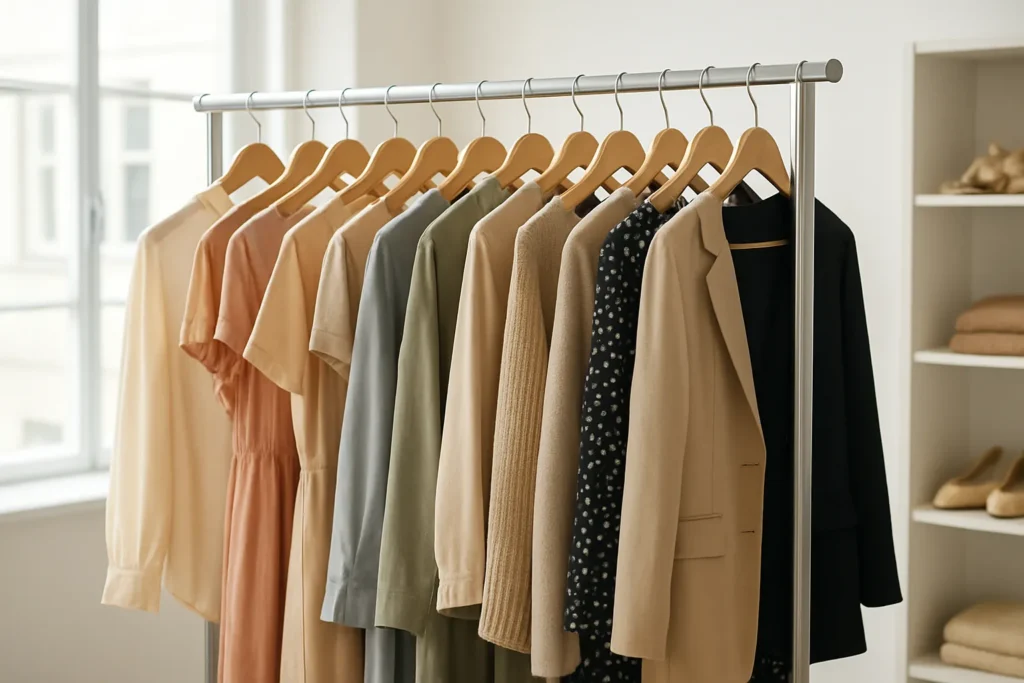
Sourcing Trendy Women’s Clothing: A Guide for Fashion Suppliers
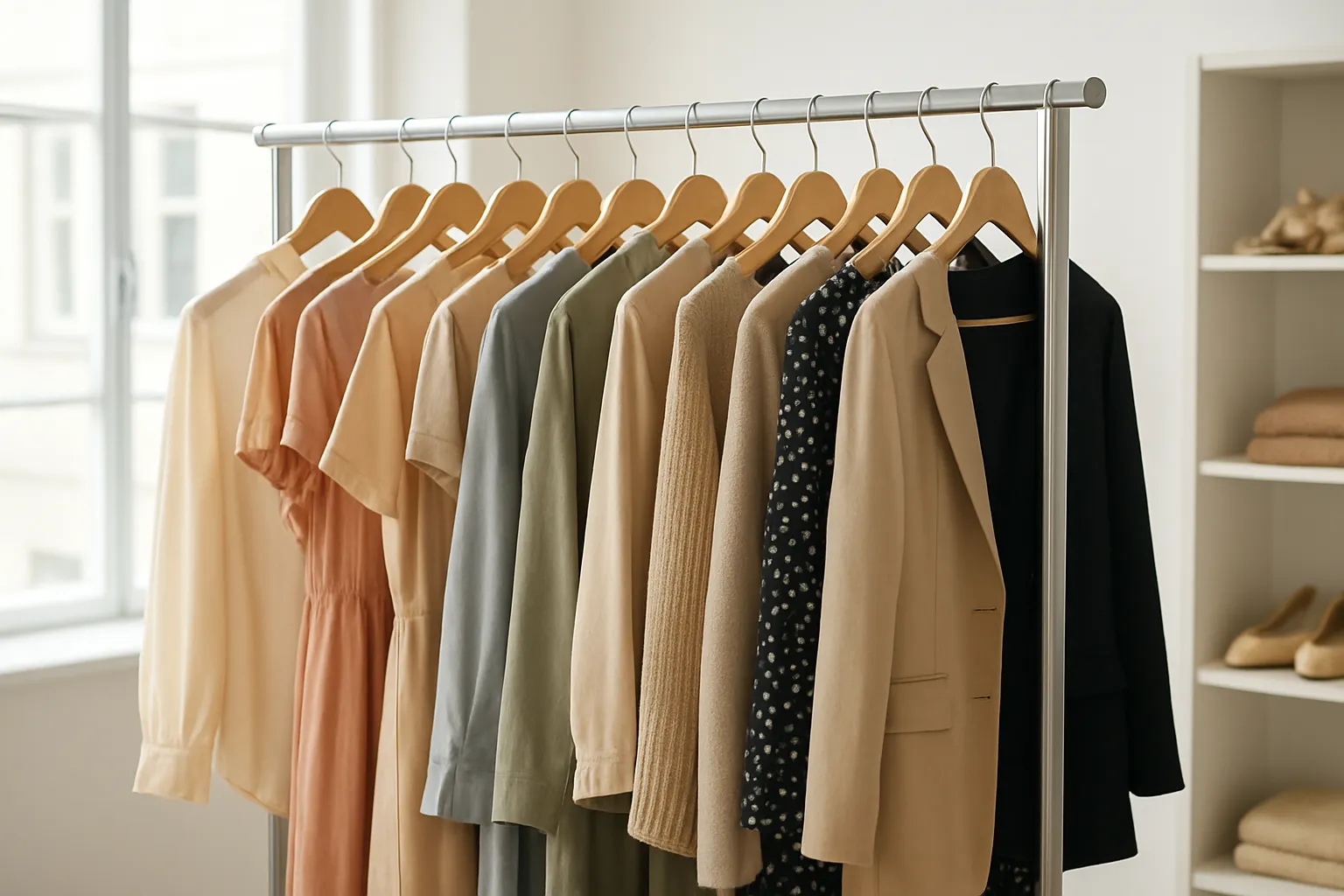
In the fast-paced world of fashion, sourcing trendy women’s clothing is not just an opportunity; it’s a necessity for fashion suppliers aiming to stay competitive. The demand for stylish and contemporary apparel continues to grow, making it essential for suppliers to understand the latest trends and the challenges associated with sourcing them. This guide will provide insights into the key aspects of sourcing trendy women’s clothing, helping fashion suppliers navigate the complexities of this dynamic market.
Understanding Trendy Women’s Clothing
To successfully source trendy women’s clothing, it is vital to grasp the key characteristics that define these styles. Trendy clothing often features bold colors, unique patterns, and innovative designs that resonate with current consumer preferences. Additionally, clothing that aligns with social movements, such as sustainability and inclusivity, tends to gain traction among fashion-conscious buyers.
From my experience, seasonal trends significantly impact the fashion landscape. Each season brings new styles, colors, and materials that can influence purchasing decisions. Staying ahead of these seasonal trends is crucial for suppliers to ensure they offer products that appeal to their target market.
Identifying Reliable Fashion Suppliers
Selecting the right suppliers is paramount for fashion suppliers seeking to source trendy women’s clothing. When evaluating potential suppliers, consider several criteria, including product quality, pricing, and delivery times. A supplier’s ability to adapt to changing trends is also essential, as this flexibility can directly affect your business’s success.
Evaluating supplier reputation is another critical factor. Look for reviews, testimonials, and case studies from other businesses to gauge a supplier’s reliability and performance. Engaging in trade shows and networking events can also provide insights into the industry’s key players.
Sourcing Options for Fashion Suppliers
Fashion suppliers have various sourcing options, each with its advantages and disadvantages. Wholesale purchasing allows suppliers to buy in bulk, which often results in lower prices per unit. However, this method requires a larger upfront investment and carries the risk of unsold inventory.
On the other hand, dropshipping offers a lower-risk alternative, enabling suppliers to sell products without holding inventory. In my opinion, this method can be particularly beneficial for new fashion suppliers who may not have the capital to invest in large stock quantities.
When considering sourcing, suppliers must also decide between domestic and international options. Domestic sourcing can lead to faster shipping times and lower shipping costs, while international sourcing may provide access to a broader range of trendy designs at competitive prices.
Implementing a Successful Sourcing Strategy
Building strong relationships with suppliers is crucial for a successful sourcing strategy. Open communication and mutual trust can lead to better collaboration and more favorable terms. Regularly engaging with your suppliers can help you stay informed about new trends and product launches.
Negotiating terms and pricing is another essential aspect of the sourcing process. Suppliers are often willing to negotiate, especially for bulk orders or long-term partnerships. Establishing clear expectations regarding quality, delivery schedules, and payment terms can help avoid misunderstandings and ensure a smooth working relationship.
Use Cases for Trendy Women’s Clothing
Trendy women’s clothing can be applied in various retail environments. For brick-and-mortar retail stores, offering a curated selection of the latest styles can attract customers and drive sales. In contrast, online stores benefit from showcasing trendy apparel through visually appealing websites and targeted marketing strategies, allowing them to reach a broader audience.
Moreover, fashion suppliers can explore opportunities in niche markets, such as athleisure or eco-friendly clothing, to cater to specific customer preferences and enhance their product offerings.
Comparing Different Sourcing Methods
When considering different sourcing methods, it is essential to weigh the pros and cons of each option. Wholesale purchasing may offer lower costs but requires a significant investment upfront. Dropshipping reduces financial risk but can lead to lower profit margins due to reliance on third-party suppliers.
Conducting a cost analysis of sourcing options is vital. Evaluate not only the purchase price but also shipping costs, potential tariffs, and inventory holding costs. This comprehensive analysis will help fashion suppliers make informed decisions that align with their business goals.
FAQs About Sourcing Trendy Women’s Clothing
Fashion suppliers often have common questions when it comes to sourcing trendy women’s clothing. One frequent inquiry revolves around how to identify the latest trends. Suppliers can stay informed by following fashion blogs, attending trade shows, and leveraging social media platforms that showcase emerging styles. For additional insights, consider consulting this industry reference from AZoM.
For first-time buyers, it’s advisable to start small. Test the market with a limited selection of trendy items to gauge customer response before committing to larger orders. This approach minimizes risk and allows suppliers to refine their offerings based on real-time feedback.
In conclusion, sourcing trendy women’s clothing requires a strategic approach that encompasses understanding market trends, identifying reliable suppliers, and implementing effective sourcing strategies. By staying informed and adaptable, fashion suppliers can successfully navigate the challenges of this vibrant industry and meet the ever-evolving demands of their customers.