
Choosing the Perfect Formal Wear Skirts for Your Retail Collection: A Guide to Fashion Trends
1. Introduction to Formal Wear Skirts
In the competitive landscape of retail fashion, formal wear skirts play a pivotal role in women’s wardrobes. These essential pieces can significantly enhance a retailer’s collection, providing customers with a perfect blend of professionalism and style. With the increasing demand for versatile and sophisticated attire, it’s crucial for retailers to grasp the importance of formal wear skirts.
Recent trends suggest a notable shift towards tailored pieces that can transition effortlessly between corporate and social environments. To meet customer expectations and boost sales, retailers must stay ahead of these evolving trends. By incorporating a thoughtfully curated selection of formal wear skirts into their offerings, businesses can tap into this profitable market segment.
2. Specifications of Formal Wear Skirts
When choosing formal wear skirts for your retail collection, several key specifications must be taken into account to ensure both quality and appeal.
- Fabric Types and Quality: The choice of fabric is fundamental to the overall look and feel of the skirt. Common materials include wool blends, polyester, and cotton, each offering varying levels of comfort and durability. In my experience, high-quality fabrics not only enhance the garment’s appearance but also improve its longevity, making it a wise investment for both retailers and customers.
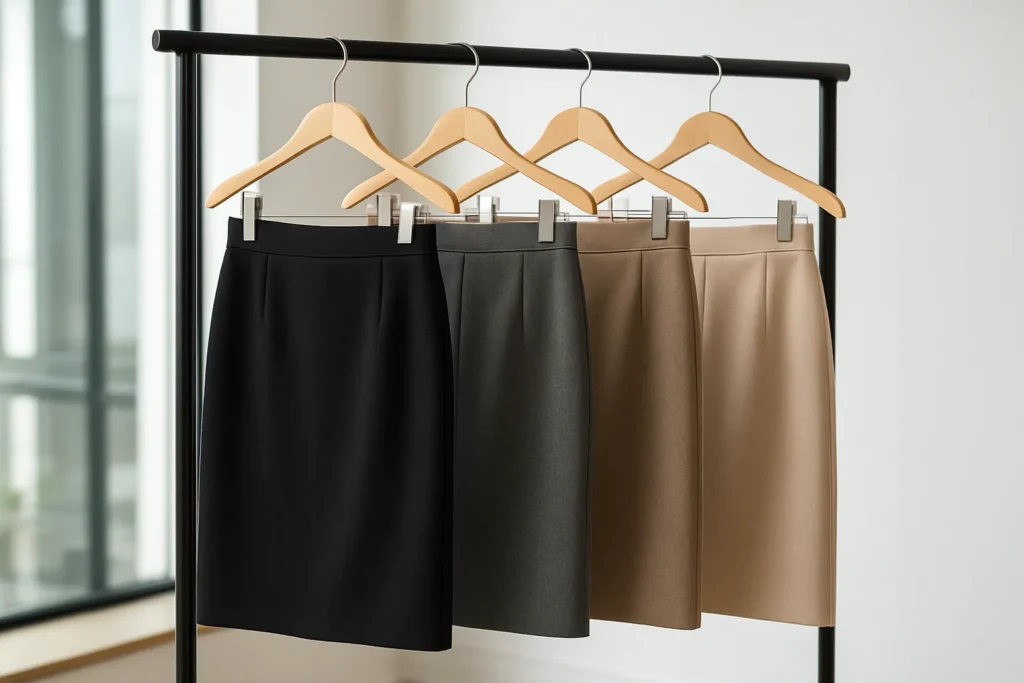
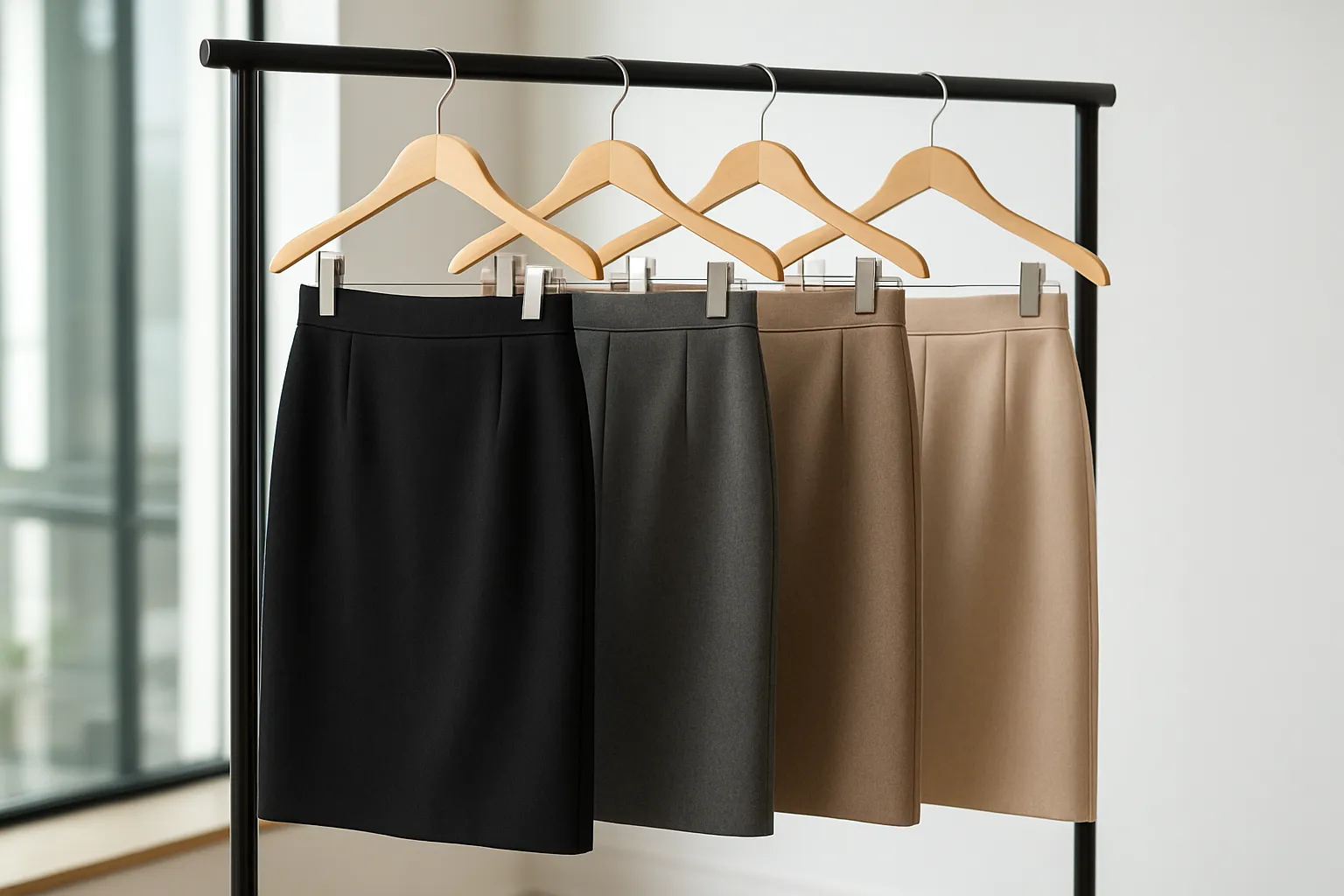
- Design Features and Styles: Formal wear skirts come in numerous styles, such as A-line, pencil, and pleated designs. Each style caters to different body types and personal preferences. I believe retailers should offer a diverse range of styles to appeal to a broader audience. Additionally, features like pockets, zippers, or embellishments can add value and attract shoppers.
- Size Range and Fit Considerations: Inclusivity is essential, which is why offering a comprehensive size range is crucial. Ensuring that skirts come in various sizes allows all customers to find a suitable fit. Furthermore, fit considerations are vital; skirts should be designed to flatter different body shapes while providing comfort and ease of movement.
3. Use Cases for Formal Wear Skirts
Formal wear skirts are versatile garments suitable for various occasions.
- Corporate Events and Business Meetings: These skirts are perfect for professional settings, enabling women to project confidence and authority. Pairing a tailored skirt with a sophisticated blouse or wholesale women’s tops can create a polished look ideal for interviews, presentations, or board meetings.
- Special Occasions and Formal Gatherings: Beyond the workplace, formal wear skirts can be styled for weddings, galas, and other formal events. With the right accessories, these outfits can be elevated to suit a range of celebrations.
- Versatility in Everyday Wear: Many formal wear skirts can also be adapted for casual settings. By pairing them with more relaxed tops and footwear, retailers can market these skirts as multifunctional pieces, appealing to customers seeking value in their purchases.
4. Comparing Different Formal Wear Skirts
Understanding the differences between various styles of formal wear skirts can aid in selection.
- A-Line vs. Pencil Skirts: A-line skirts offer a more relaxed fit and flatter various body types, while pencil skirts provide a sleek, fitted silhouette that emphasizes curves. Retailers should consider their customer demographics when deciding which styles to stock.
- Midi vs. Maxi Lengths: Midi skirts typically fall between the knee and ankle, providing a sophisticated look, while maxi skirts offer a more dramatic, flowing appearance. Each length has its place in formal wear, and offering both can cater to diverse customer preferences.
- Price Points and Quality Comparison: Price is often a key factor for customers. Retailers should strive to balance quality with affordability, ensuring that the skirts they offer are competitively priced while maintaining high standards.
5. Sourcing Formal Wear Skirts
Finding the right suppliers is critical to building a successful retail collection.
- Finding Reliable Suppliers: Establishing relationships with reputable manufacturers can lead to high-quality products. Attending trade shows and fashion expos can provide valuable networking opportunities.
- Evaluating Wholesale Options: Assessing different wholesale options allows retailers to compare prices, quality, and delivery times. It’s essential to request samples before making bulk purchases to ensure the product meets expectations.
- Negotiating Terms and Pricing: Once potential suppliers are identified, negotiating favorable terms can enhance profitability. Discussing bulk discounts, payment terms, and return policies can lead to a mutually beneficial partnership.
6. Implementing Formal Wear Skirts in Your Collection
After sourcing, effective implementation is the next step.
- Stocking Strategies and Inventory Management: Retailers should analyze sales data to determine optimal stock levels for formal wear skirts. Implementing inventory management systems can help track sales trends and adjust stock accordingly.
- Marketing and Promotion Techniques: Promoting formal wear skirts through targeted marketing campaigns can attract attention. Utilizing social media, email marketing, and in-store displays can effectively showcase the collection.
- Customer Feedback and Adaptation: Gathering customer feedback is crucial for continuous improvement. Retailers should be open to adapting their collections based on customer preferences and trends.
7. Frequently Asked Questions
- What to Look for in Quality Skirts?: Look for quality fabrics, well-constructed seams, and a good fit. These factors contribute to the overall appeal and longevity of the garment.
- How to Determine the Right Quantity to Order?: Analyze past sales data, consider current trends, and factor in seasonal variations to make informed ordering decisions.
- What are the Latest Trends in Formal Wear Skirts?: Currently, trends include sustainable fabrics, bold colors, and unique design elements. Staying updated with fashion forecasts can help retailers remain competitive.
Conclusion
Choosing the right formal wear skirts for your retail collection is a strategic decision that can significantly impact your business. By understanding market trends, evaluating specifications, and sourcing quality products, retailers can create a compelling offering that meets customer needs. With careful implementation and a focus on customer feedback, you can ensure that your collection remains relevant and appealing in a dynamic market. For more insights on formal wear skirts, refer to this industry reference.